Roots
Thin hair roots at the joints, or a full mat that fills the pipe. We note where they enter and how much of the pipe they block.
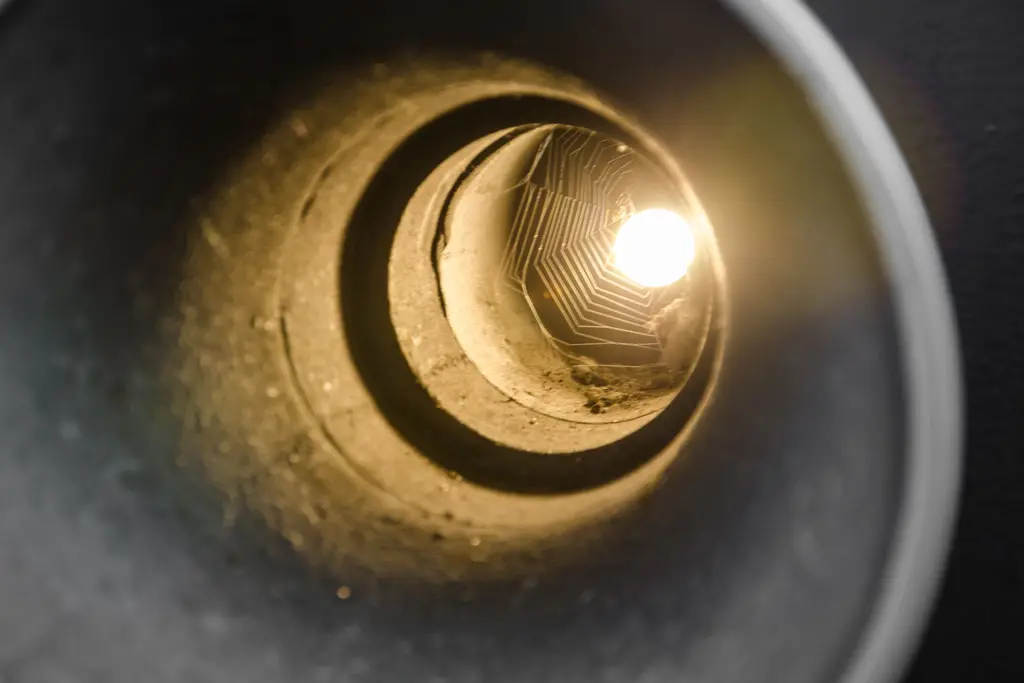
D-02CAMERA INSPECTION
A sewer line is buried 4 to 8 feet down here, sometimes more. You can't see it, and most people pay for repairs they never saw a reason for. We run a color camera from your house toward the street or the septic tank, record it, and walk you through the footage.
Thin hair roots at the joints, or a full mat that fills the pipe. We note where they enter and how much of the pipe they block.
Clay tile cracks with age and frost movement. We show you whether it's a hairline crack or missing pieces.
Where one section has shifted up or down against the next, leaving a lip that catches waste. Common after years of New Hampshire freeze and thaw.
A low spot where the pipe has settled and water sits. On camera, the lens goes under water. Small ones can be lived with. Long ones usually need a dig.
Orangeburg pipe, made of tar-saturated wood fiber, goes oval and blisters as it ages. Once it starts, it doesn't stop.
Heavy buildup that narrows the pipe. Often a good candidate for jetting.
Where clay meets PVC or cast iron meets clay, and what the last plumber did. Bad couplings are a common weak spot.
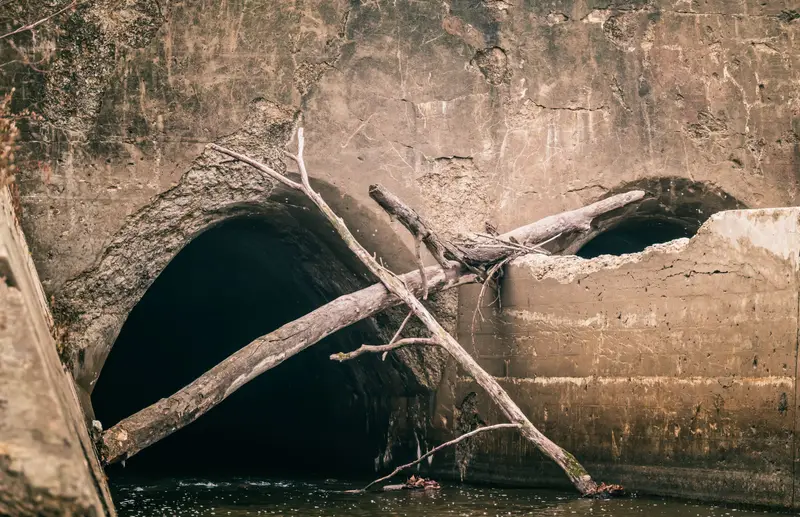
We're happy to send footage to your home inspector, realtor, landlord or a second plumber. It's your video.
Standard home inspections usually don't include the sewer line. We schedule pre-purchase camera inspections around your inspection window and can usually send footage to your agent within the day. We describe what we see. We won't pad the report to help either side of the sale.
It's a flat-rate price, and we tell you what it is when you call, before we schedule. If the line is blocked and needs clearing first, that's a separate price you approve in advance. You'll never get a surprise charge for reviewing the footage or for marking problem spots in the yard.
Yes, within a small margin. The camera head carries a transmitter, and our locator picks it up from the surface. We mark the spot with paint or flags and note the depth. That way a dig, if you need one, is a small hole in the right place, not a long trench.
For a house you own, we'd like you there for the review at the end, about 15 minutes. For pre-purchase inspections or rentals, we can work with the agent, owner or tenant for access, and we'll send the video and written summary by link the same day.
No. If the line looks fine, we'll tell you it looks fine. If something is minor, we'll tell you to keep an eye on it. When we do recommend work, you'll have the footage to show anyone else for a second opinion, and we encourage it.