D-03HYDRO-JETTING
Hydro-jetting for lines that keep clogging
A cable punches a hole through a clog. A jetter cleans the whole pipe. If your main line backs up every few months, or the kitchen line is lined with years of grease, jetting is often what finally breaks the cycle.
What hydro-jetting is
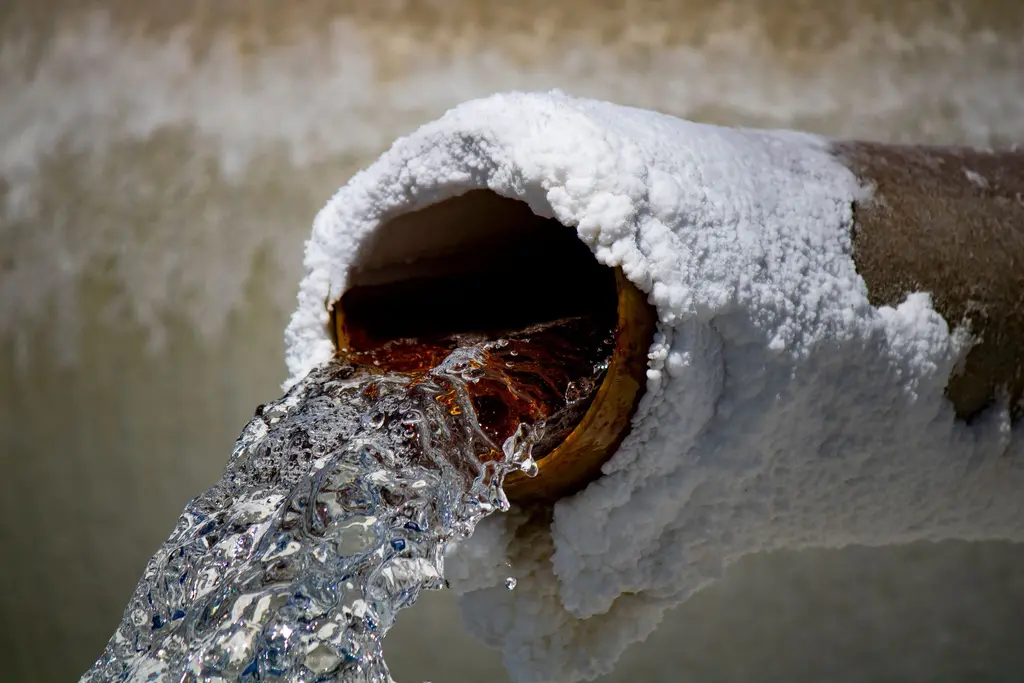
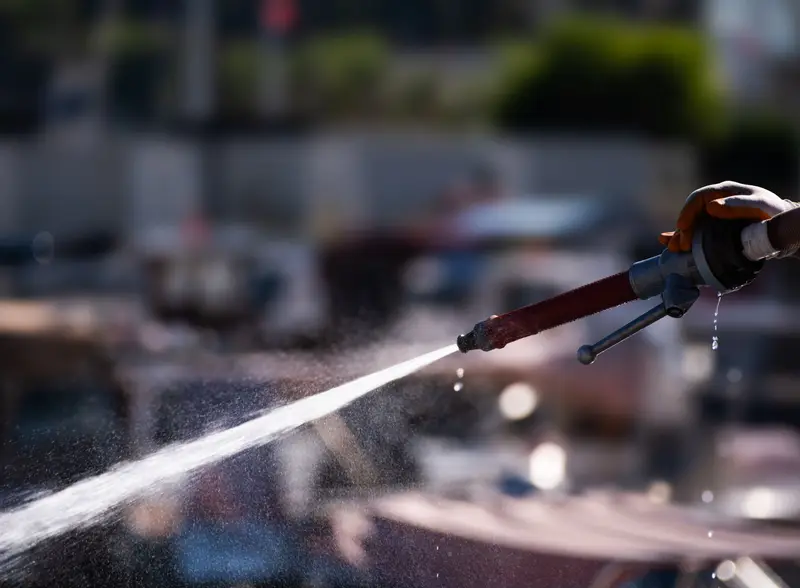
A jetter pumps water at very high pressure through a hose with a special nozzle on the end. Rear-facing jets pull the hose up the line while scrubbing the pipe wall. Different nozzles cut roots, break up grease, or knock down scale. When we're done, the pipe is close to its original diameter, not just open in the middle.
Good candidates for jetting
- Grease buildup in kitchen lines and mains, especially in multi-family buildings where several kitchens share a line
- Root intrusion in clay tile lines, after a cable has cleared a path
- Scale and sludge in old cast-iron building drains
- Sand and silt that settled in a line after a break was repaired
- Restaurant-style use at home: big families, frequent cooking, garbage disposals
When we won't jet
Jetting is powerful. On the wrong pipe it can make things worse. We won't jet:
- Orangeburg pipe that has started to deform. High pressure can tear it.
- Badly broken clay with missing pieces, where water can wash out the soil around the pipe.
- A line we haven't seen. That's why we camera the line first on every main line jetting job.
If jetting isn't safe for your pipe, we'll tell you and talk about cabling, lining or repair instead.
How a jetting visit goes
- Camera first. We look at the line to confirm the material and condition, and record a "before" video.
- Set up outside when we can. The jetter stays in the driveway; only the hose comes to the cleanout. In winter we protect the hose path and clear any ice we create.
- Jet in passes. We work from the cleanout toward the street or tank, changing nozzles as needed.
- Camera again. You get an "after" video so you can see the difference.
- Talk about next steps. For root lines, we'll suggest how often to check it, or the Root Watch Plan.
Winter jetting in New Hampshire
We jet year-round. In deep cold we run warm water where possible, keep hoses moving so they don't freeze, and salt or sand any wet spots on your walkway before we leave. Cold weather is actually when grease problems peak, so January is one of our busiest jetting months.

Root Watch Plan
Roots grow back. Jetting cuts them off cleanly, but the joint they came through is still open. If your line has a root problem you're not ready to fix with lining or replacement, our Root Watch Plan schedules a camera check and clearing once a year, timed before the late-spring growth season. You get the footage each time, so you can see if things are getting worse.
Hydro-jetting questions
Q01Is hydro-jetting safe for old pipes?
For most cast iron, PVC and sound clay tile, yes. For Orangeburg or clay with missing pieces, no. That's why we run a camera before any main line jetting. If the footage shows the pipe can't take the pressure, we'll say so and recommend a gentler method or a repair instead.
Q02How is jetting different from snaking?
A snake, or cable, cuts a path through the clog. It works well and costs less, but grease and root fragments stay on the pipe wall. A jetter scrubs the full inside of the pipe. Lines that were jetted generally stay clear longer than lines that were only cabled.
Q03Will jetting get rid of my roots for good?
No method makes roots go away permanently while the open joint is still there. Jetting cuts them back to the pipe wall, and lines usually stay clear longer than with a cable. A permanent fix means sealing or replacing the joints, with lining or a new pipe.
Q04Do you jet kitchen lines inside the house?
Yes, with smaller hoses and lower pressure for indoor branch lines. We protect cabinets and floors, use a splash guard at the opening, and clean up fully. In multi-family buildings, we'll coordinate so nobody runs water upstairs while we work.